
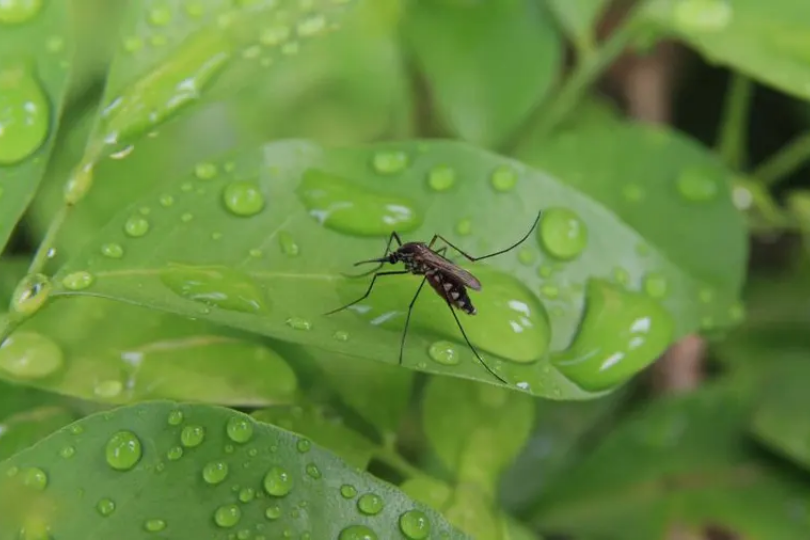
Mosquitos can be a real nuisance, especially during the summer months. Not only are their bites itchy and annoying, but they can also transmit diseases like West Nile virus and Zika virus. If you’re tired of swatting at mosquitoes every time you step outside, here are some tips for reducing their population around your home.
Remove Standing Water
Mosquitoes lay their eggs in standing water, so one of the best ways to reduce their population is to eliminate any sources of standing water around your property. Empty and clean birdbaths and pet bowls regularly, replacing the water at least once a week. Fix leaky outdoor faucets or sprinklers to prevent water from pooling, and clean gutters and downspouts to ensure proper drainage. Old tires, cans, and other containers that hold water should be disposed of, as they can become prime breeding spots for mosquitos.
Keep Your Lawn Trimmed
Mosquitos love to hide in tall grass and overgrown vegetation. Keep your lawn mowed regularly. Trim back bushes or shrubs to eliminate potential mosquito breeding grounds. This will not only reduce the mosquito population but also make your yard look neater and more well-maintained.
Use Mosquito-Repelling Plants
Certain plants have natural mosquito-repelling properties, making them excellent additions to your landscaping. Consider planting citronella, lavender, marigolds, rosemary, or basil around your yard, particularly near outdoor living areas like patios and decks. Furthermore, these plants emit scents that mosquitoes find unappealing, helping to keep them at bay.
Install or Repair Screens
To prevent mosquitoes from entering your home, ensure your windows and doors have properly fitting screens. Inspect existing screens for holes or tears and repair them promptly. If you love spending time on your porch or patio, installing screens around these areas can help create a mosquito-free zone.
Use Insect Repellent
When spending time outdoors, protect yourself from mosquito bites by using an EPA-registered insect repellent containing DEET, picaridin, IR3535, oil of lemon eucalyptus, or para-menthane-diol. Always follow the label instructions carefully, and reapply as directed, especially after swimming or sweating heavily.
Consider Professional Pest Control
If you’ve tried these tips and are still having trouble with mosquitos, it may be time to call in the professionals. Bigham Pest Services offers effective mosquito control solutions to help you take back your yard. Our trained technicians will thoroughly inspect your property to identify potential mosquito breeding sites and develop a customized treatment plan to reduce their population and prevent them from returning.
FAQs
How often should I have my property treated for mosquitos?
We recommend having your property treated for mosquitos every 3-4 weeks during peak mosquito season, which typically runs from May through September. This regular treatment schedule will help keep the mosquito population under control and prevent them from breeding, ensuring that you can enjoy your outdoor living spaces all summer long.
Is mosquito control safe for pets and children?
When applied correctly by a trained professional, mosquito control treatments are safe for pets and children. However, as a precautionary measure, it’s always a good idea to keep them inside during treatment and for a short period afterward to allow the product to dry completely. Our technicians at Bigham Pest Services are highly trained and experienced in applying these treatments safely and effectively.
Can I still get bitten by mosquitos even if I have my property treated?
While professional mosquito control can greatly reduce the mosquito population around your home, it’s impossible to eliminate them completely. You may still experience occasional bites, especially if you’re spending time in areas with a high level of mosquito activity, such as near wooded areas or bodies of water. However, by combining professional treatments with personal protection measures like insect repellent, you can significantly minimize your risk of mosquito bites.